The digital system behind a newspaper its community has trusted since 1969.
San Bernardino American News had the trust and the demand. We turned a paper that sold by phone and check into one that sells, gets paid, and follows up online.
Book a 30-minute call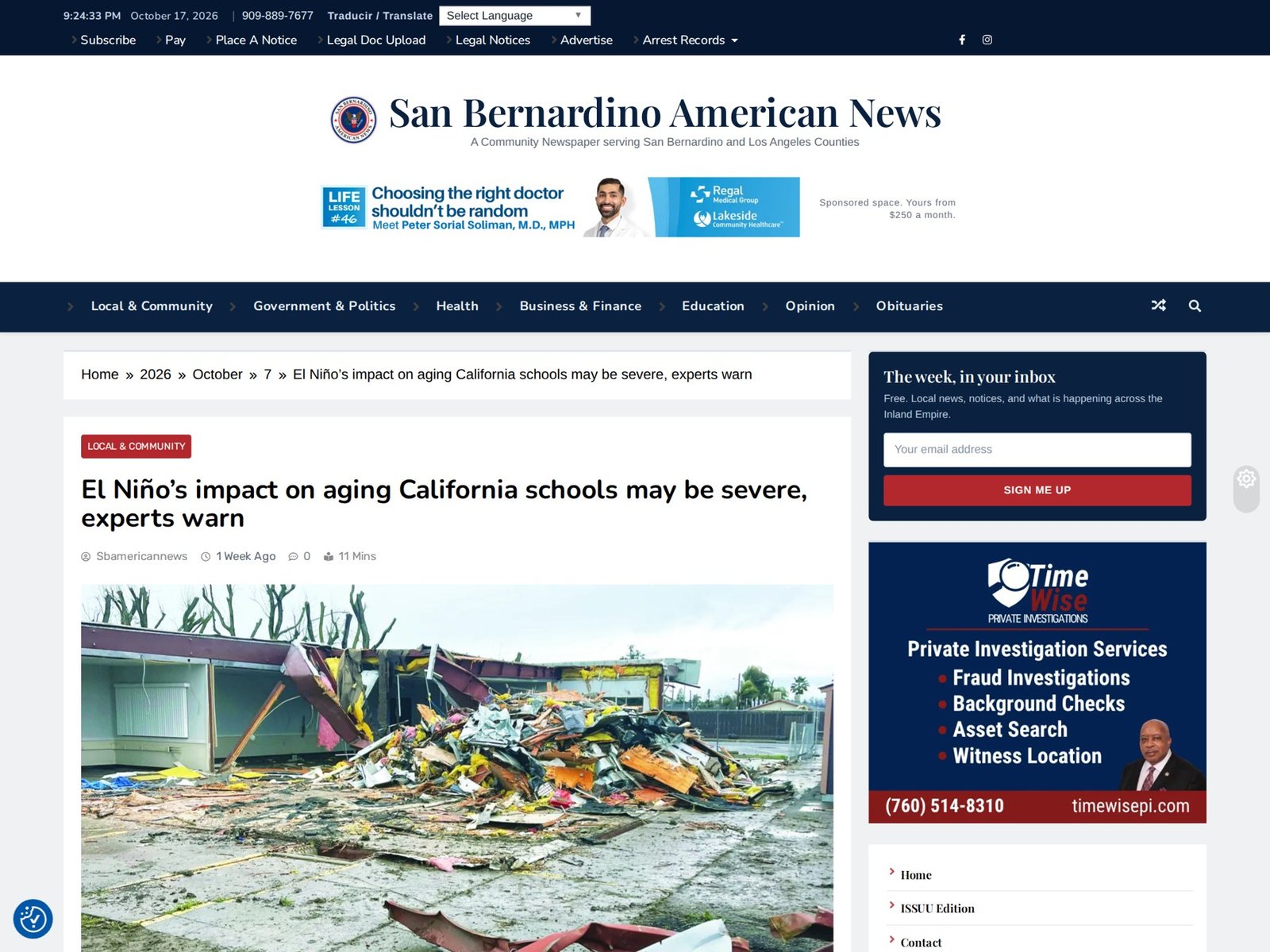
The paper already had what most businesses spend years trying to earn.
San Bernardino American News is a family-run, Black-owned community newspaper that has served San Bernardino and the Inland Empire since 1969. Courts have accepted the legal notices it publishes since 1971. Its income came from legal notices and from print and web advertising.
For its readers it is a trusted local voice. For the agencies, hospitals, schools, and nonprofits that want to reach this community, it is a direct line to them.
Serving San Bernardino and the Inland Empire
Court-adjudicated, so its legal notices carry official standing
The paper came to us for help with its marketing. We looked at the whole business, not only the marketing, and proposed a system to close the gaps we found.
Marketing only pays off when the business behind it can turn attention into income. So we studied the whole business first.
More marketing sends more people to a business. If those people cannot easily find what they came for, buy it, pay for it, and come back, the extra attention is wasted. Before recommending anything, we followed a customer through the paper from the first visit to a repeat sale.
The paper had the trust and the demand. Eight gaps stood between them and the income the paper could collect.
No offer for a larger sponsor
Ads were sold one at a time. A business that wanted a lasting presence in the paper had no program to buy.
Cost: bigger budgets had nothing to say yes to.
No way to buy or pay online
Every ad and notice began with a call or an email and ended with a check or an invoice.
Cost: sales waited on office hours.
No shared sales process
Prices, answers, and follow-up depended on who took the call.
Cost: a buyer could get a different answer depending on who answered.
Customer history with no way to use it
Past customers sat in old invoices and payment records, not in one list.
Cost: no way to invite a past customer back.
A website that was hard to navigate
The menu led to business pages and most stories were not sorted by topic.
Cost: readers and search engines could not see what the paper covers.
A newsletter that could not grow or earn
It went out regularly, but readers could not join from the site and it had no space to sell.
Cost: a loyal audience that produced no income.
Parts that did not connect
The website, the newsletter, and social media each ran separately, by hand.
Cost: a small team’s time.
No view of what was working
Sales were recorded in separate places.
Cost: no clear picture of which products earned the most.
None of these was a marketing problem. More marketing would have sent more people into the same gaps, so closing them came first.
Sell the paper’s trust, make it easy to buy, and connect every part so a small team can run it.
Sell trust, not audience size
A community paper cannot compete with large websites on the number of readers. Its advantage is 57 years of trust and its standing with the courts.
Create a sponsorship program priced as a flat monthly amount, so a sponsor buys a place in a trusted paper.
Remove every wait between interest and payment
Each gap was a point where a buyer had to stop and wait for a person.
Put the offers, the prices, and the payment online, so a customer can act the moment they are ready.
Connect the parts so each one feeds the next
The website, the newsletter, social media, and the customer records each worked alone.
Build one system where a visit leads to a signup, a sale creates a record, and a record brings the customer back.
Build it for the team that runs it
A small team already puts out a weekly paper and has no time for extra steps.
Automate the work that repeats, keep daily tasks simple, and train the team to run it themselves.
We rebuilt the entire website and made it easy to navigate.
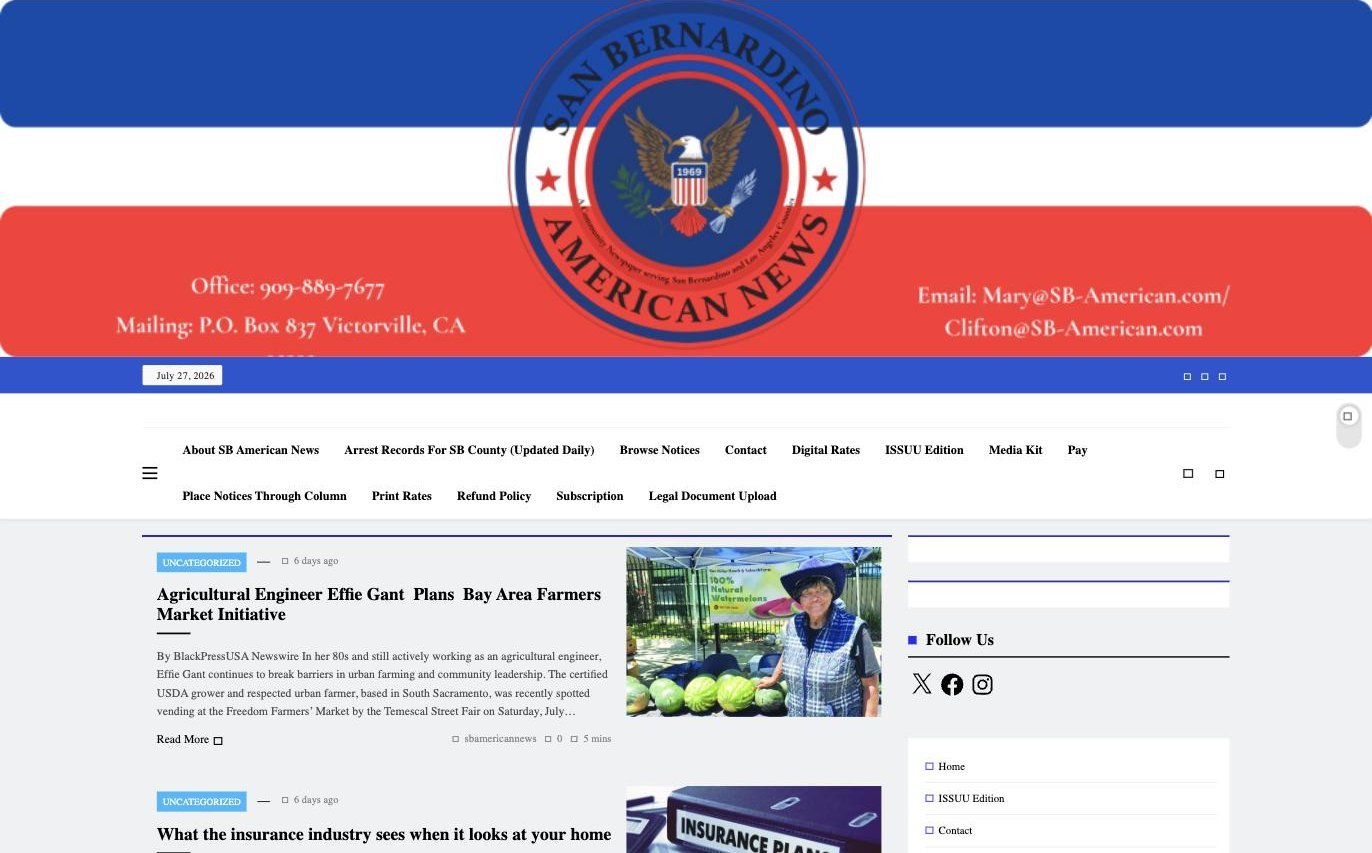
BeforeJuly 27, 2026
AfterOctober 17, 2026
Readers reach the news in a tap. Search engines and AI search tools can read what the paper covers. Every visitor has a next step, and the paper has places to sell.
What changed, and what the paper gains from each change.
| Old system | Our system | What the paper gains | |
|---|---|---|---|
| Sponsorships (new) | Ads were sold one at a time, with no ongoing program. | A sponsorship program with three monthly packages at $250, $500, and $1,000, bought online. | A new way to earn recurring monthly income. |
| Advertising | Buying an ad meant a call or an email, then an invoice or a check. | An Advertise page with prices, buy buttons, and payment by card. | Ads can be sold and paid for at any hour. |
| Legal notices | Orders by phone and email, payment by check, documents sent separately. | A notice is ordered, paid for, and uploaded in one visit. | Its steadiest income is collected sooner, with less staff time. |
| Customer records | Customer history existed, but it sat in old invoices and payment records. | One list of every customer and everything they bought. | The paper can go back to past customers with a new offer. |
| The newsletter | It went out regularly, but readers could not join from the site and it had no space to sell. | A redesigned newsletter with space sponsors can buy, and signups on the site and in print. | The list can grow, and every issue can earn. |
| Social media | Each account was posted to by hand. | We automated the posting. New stories go to every account. | A constant source of content, with no additional staff time required. |
| Sales tracking | Sales were recorded in separate places. | Every sale is recorded in one place, by product. | An overall picture of revenue at a glance. |
Five parts of one system.
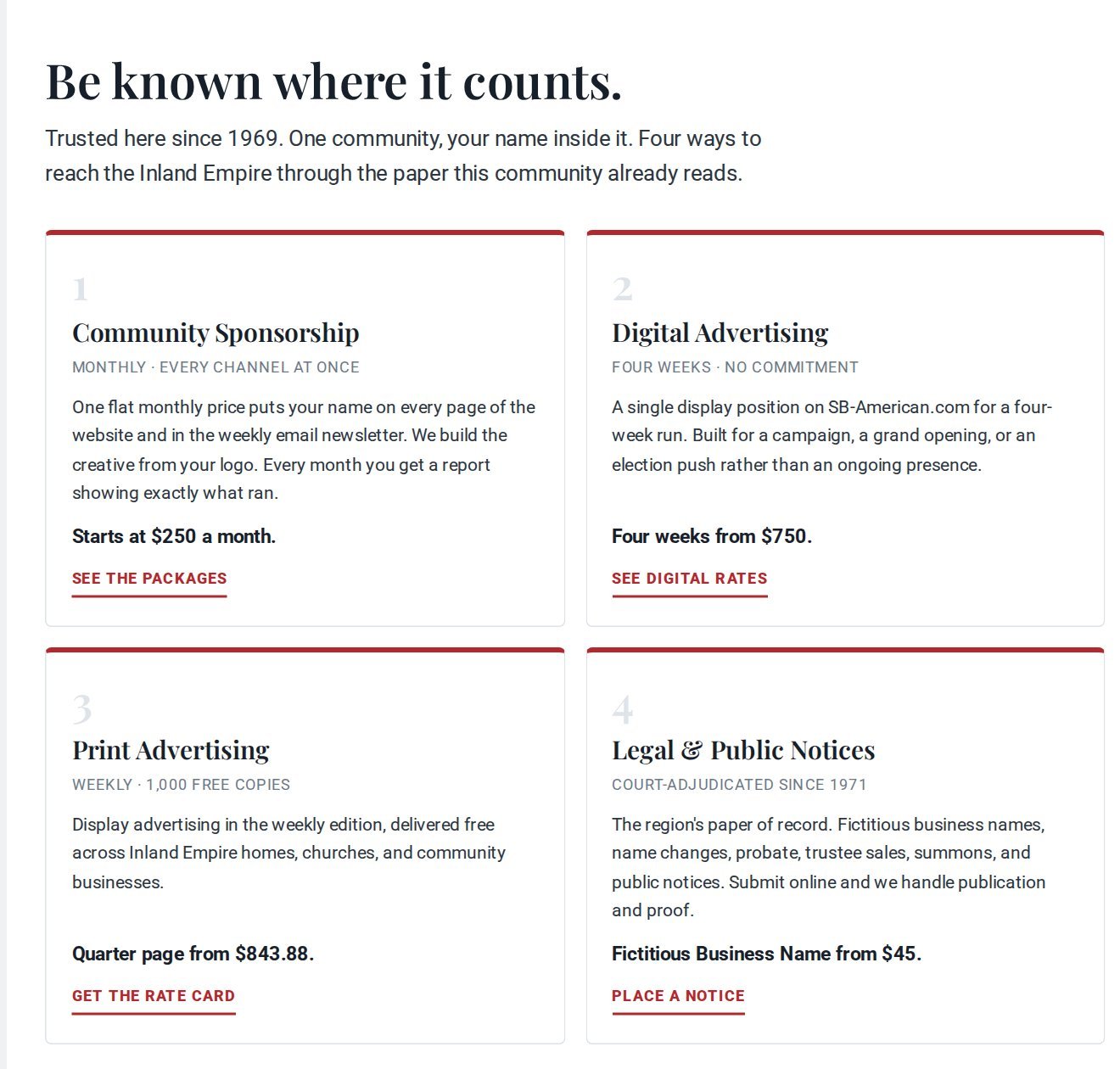
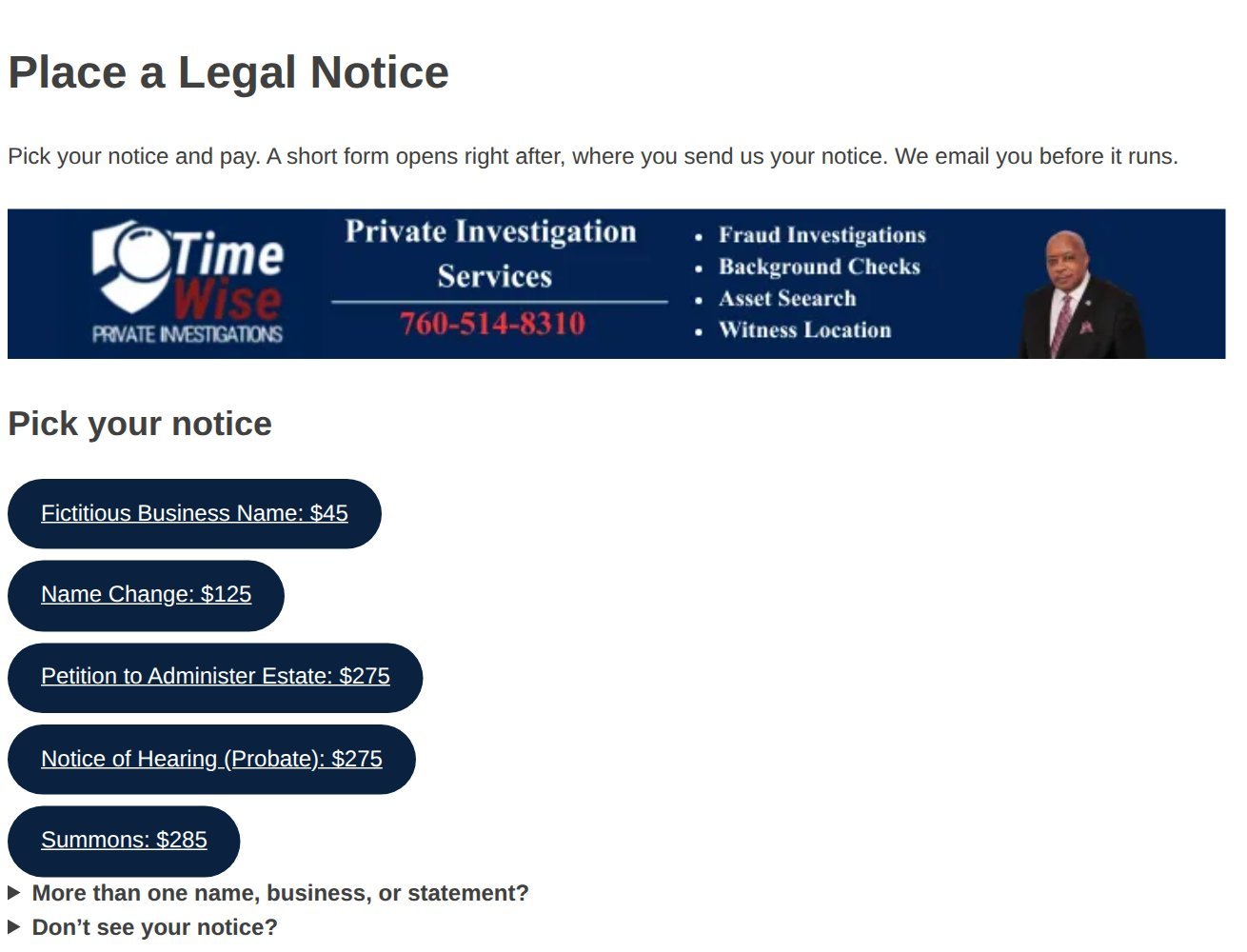
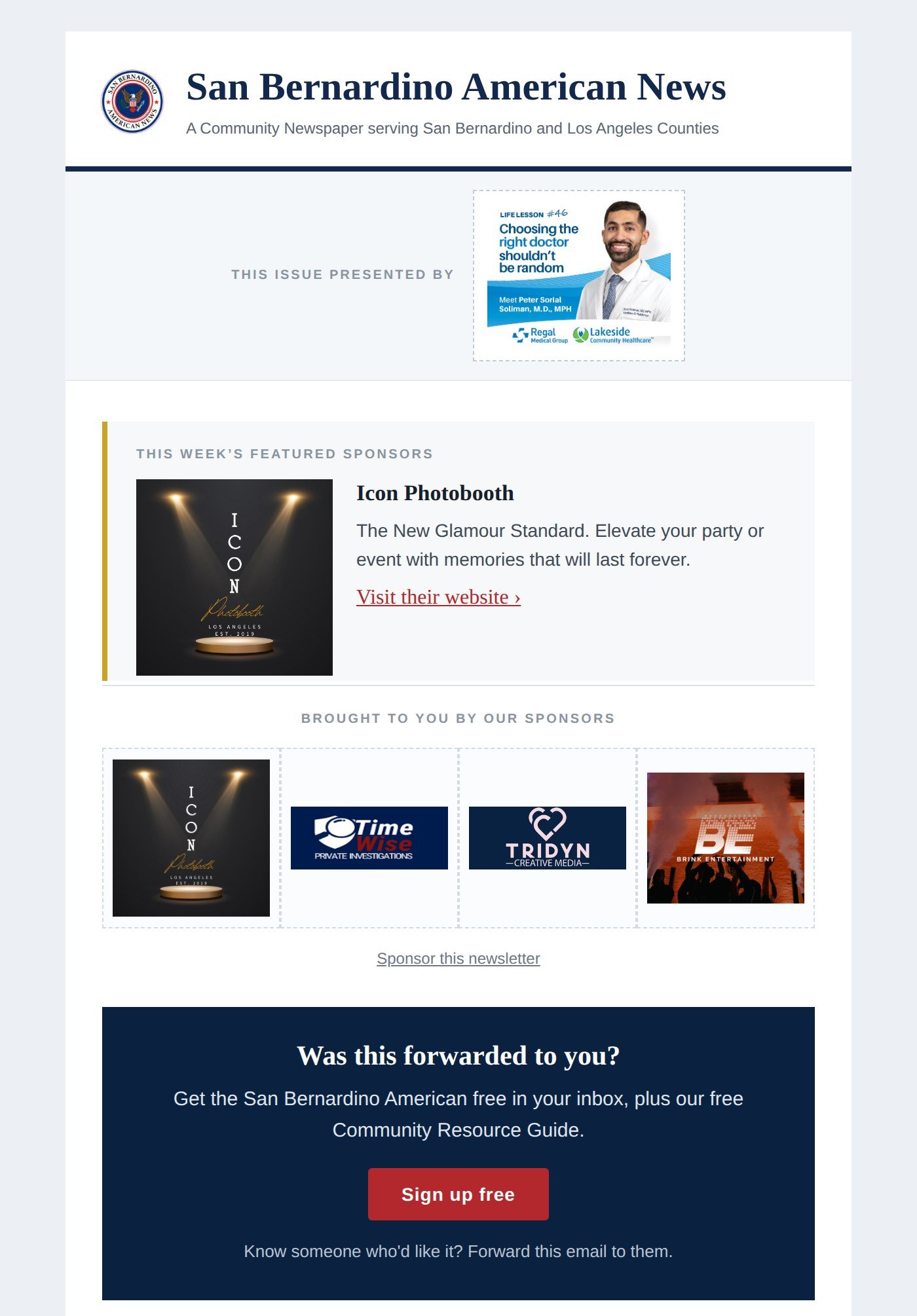
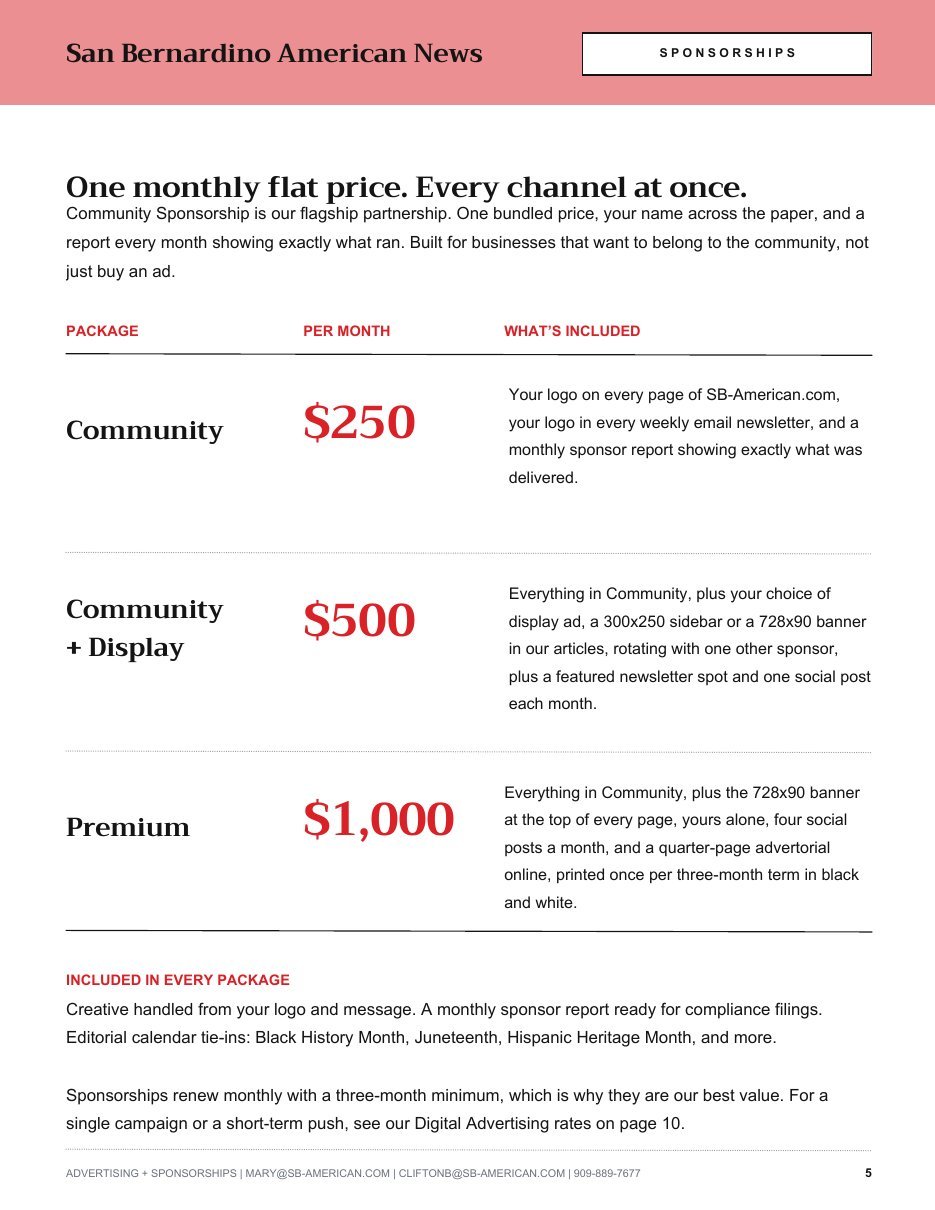
What we delivered, and what each one does for the paper.
A full review and a plan
The gaps identified, and a proposal to close them, before anything was built.
A rebuilt website
Readers find the news, and every visitor has a next step.
A refreshed brand
One recognizable look everywhere a customer meets the paper.
A sponsorship program
An additional revenue stream of recurring monthly income.
An online product catalog
Nine things a customer can buy and pay for online.
Online legal notices
The paper’s steadiest income, ordered and paid for without a phone call.
A customer system (CRM)
Every customer, sale, and payment in one place.
Automations
Payments, welcomes, requests, and reminders that happen without staff.
A sales pipeline
New leads a salesperson can work, from first contact to renewal.
A sales kit
A price sheet, call scripts, a follow-up summary, and a sponsor report.
A media kit
Shows a business what advertising in the paper includes and what it costs.
A redesigned newsletter
Space sponsors can buy, and signups that let the list grow.
Email marketing campaigns
Past customers and advertisers invited back with what is new.
Automated social posting
A constant source of content, with no additional staff time required.
Training and guides
A team that runs the daily work on its own.
Ongoing support
The website and the customer system kept running and up to date.
The paper now takes orders and payments automatically, which frees its team to run the business.
Sales without a call
Orders and payments come in online, at any hour.
Follow-up without a reminder
Welcomes, requests, and reminders go out on their own.
Reach without extra work
Stories go to the site, the newsletter, and social media automatically.
Time for the business
The team spends its time on the news and its customers.
Three questions worth asking about your own business.
Most established businesses have gaps like these and do not know it.
- Can a customer see what you offer and buy it without calling you first?
- Can you reach every past customer today with a new offer?
- Does your digital footprint elevate and position your business?
Want us to look at your business the same way?
Book a 30-minute call. We will walk through how your customers find you, buy from you, and come back, and show you where the gaps are.
rosa@tridyncreativemedia.com · tridyncreativemedia.com